- Home
- Our Curriculum/Planning
Our Curriculum/Planning
The teaching team at Sunny Brow consists of a Headteacher, a full time class teacher and a part time teacher who covers PPA and SENDCo time. All of whom have PGCE in Education with QTS. The support staff each have formal professional qualifications in line with those recommended by the DfE (minimum level 3).
The school is subject to regular OFSTED inspections, and a copy of the latest inspection report is available by clicking the link https://sunnybrow.rochdale.sch.uk/new-site/wp-content/uploads/2018/09/Ofsted-report.pdf (printed copies are available from the office). The inspection reports of October 2005, December 2008, February 2012, July 2014 (care) and November 2014 (school) November 2024 rated Sunny Brow as Outstanding – the highest possible category.
The staff team is regularly involved in a programme of training, which continuously updates and enhances their professional skills and knowledge. These skills are used to plan delivery of the curriculum throughout the academic year. Long-term aims create a balanced curriculum covering all areas of learning. Medium-term plans involve a cross-curricular approach to ensure breadth and progression, relating to topics, seasons and events. The short-term plan covers weekly provision and daily activities, in an environment that encourages eager learning with adult support.
Please click on the link to see our Long Term Plan for this academic year
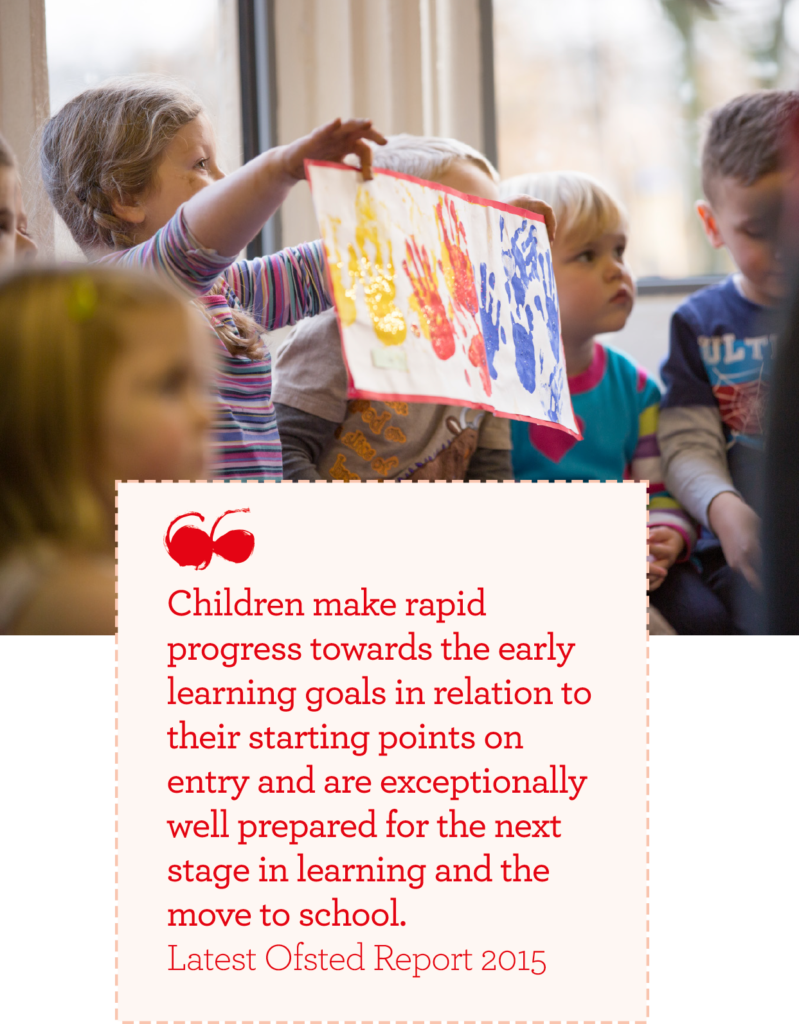
The full curriculum is offered both indoors and outdoors on a daily basis, and considers a range of learning styles.
Children generally spend one year (i.e. three terms – with some limited four or five term availability) at Sunny Brow before moving on to a primary school. By the time they leave us they will have developed certain skills and grown in knowledge and understanding. The curriculum is organised into three prime areas and a further four specific areas of learning and development.
Prime Areas
Personal, social and emotional development involves helping children to develop a positive sense of themselves and others; to form positive relationships and develop respect for others; to develop social skills and learn how to manage their feelings; to understand appropriate behaviour in groups and to have confidence in their own abilities.
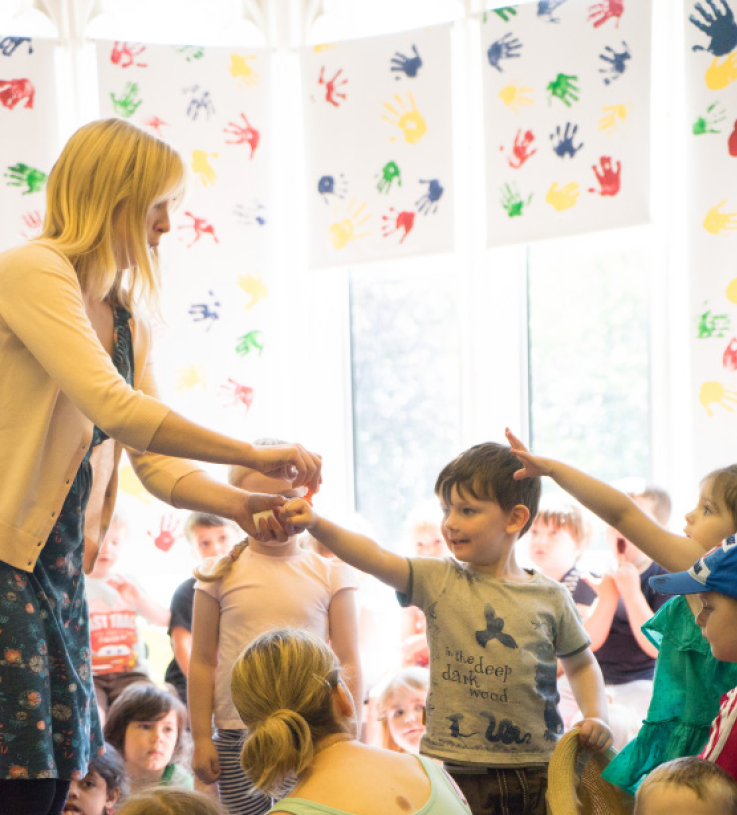
Communication and language development involves giving children opportunities to experience a rich language environment; to develop their confidence and skills in expressing themselves; and to speak and listen in a range of situations.
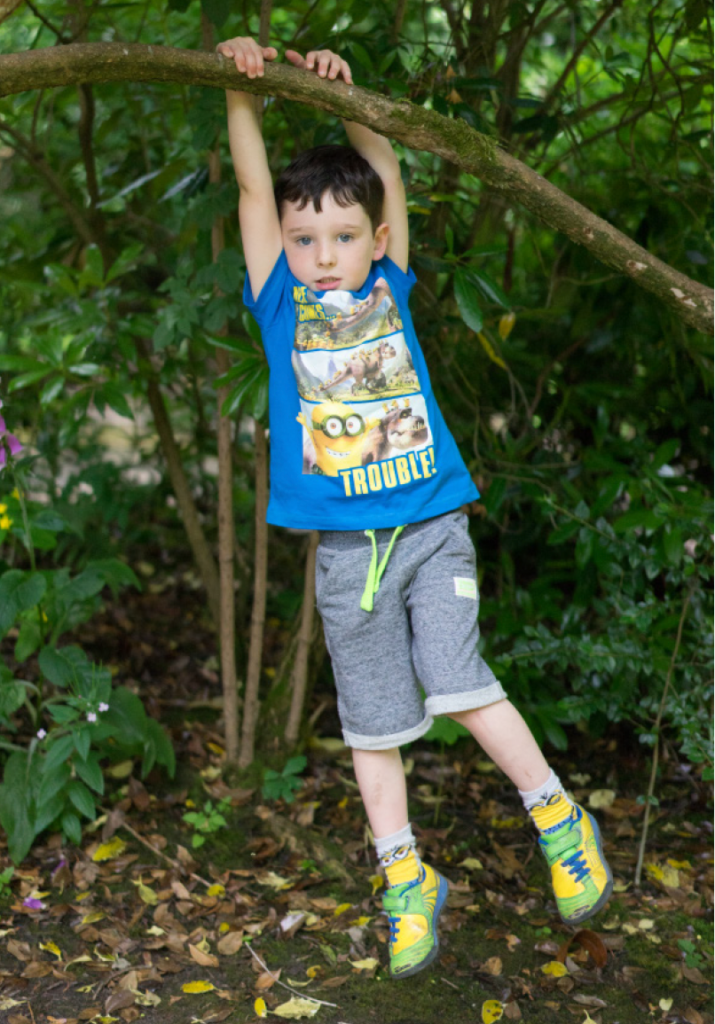
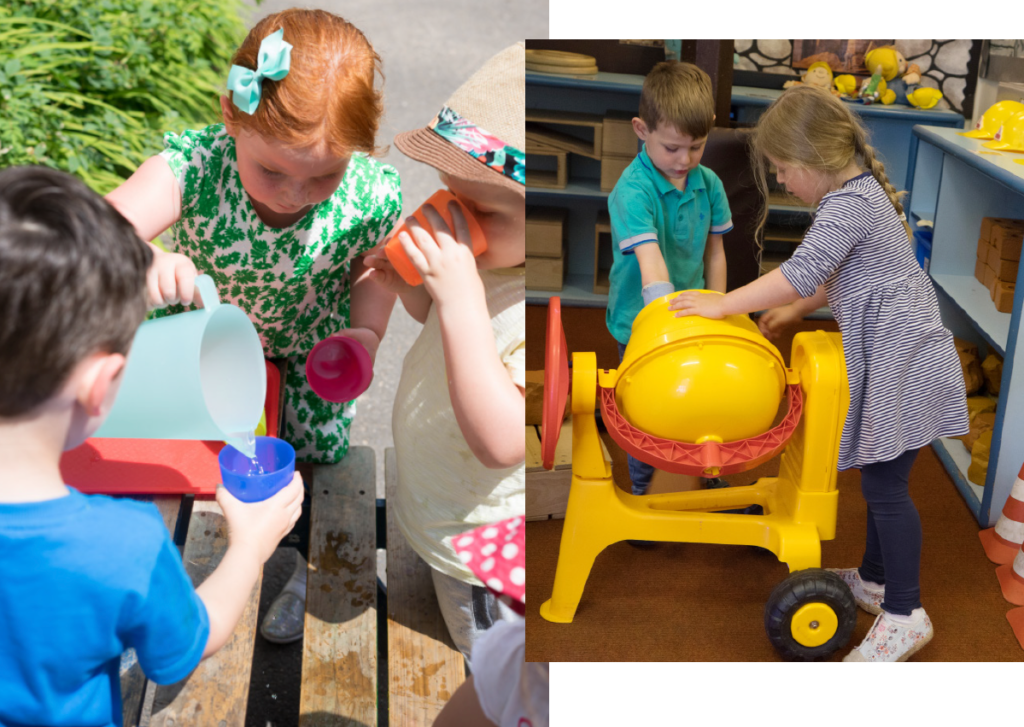
Physical development involves providing opportunities for young children to be active and interactive, and to develop their coordination, control and movement. Children will also be helped to understand the importance of physical activity and how to make healthy choices in relation to food.
Specific Areas
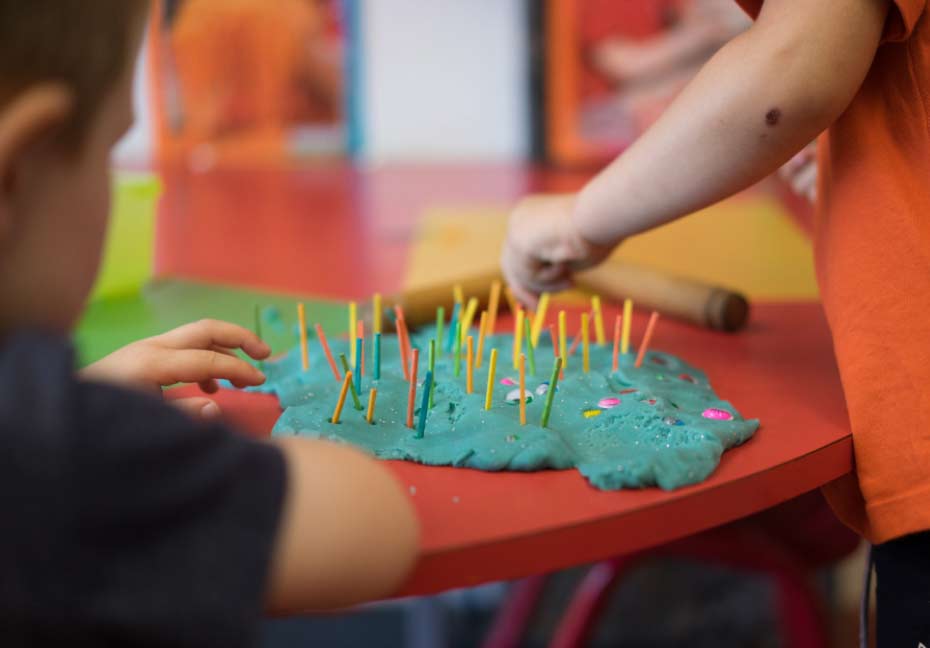
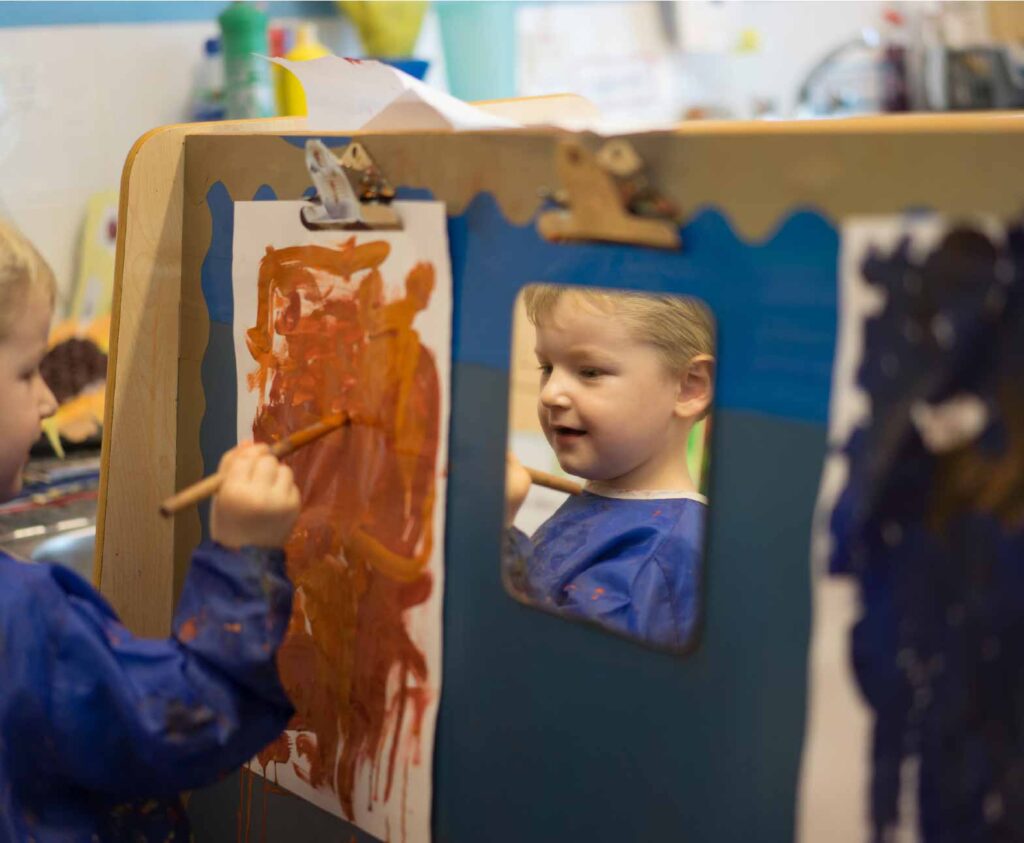
Expressive arts and design involves enabling children to explore and play with a wide range of media and materials, as well as providing opportunities and encouragement for sharing their thoughts, ideas and feelings through a variety of activities – in art, music, movement, dance, role-play and design and technology.
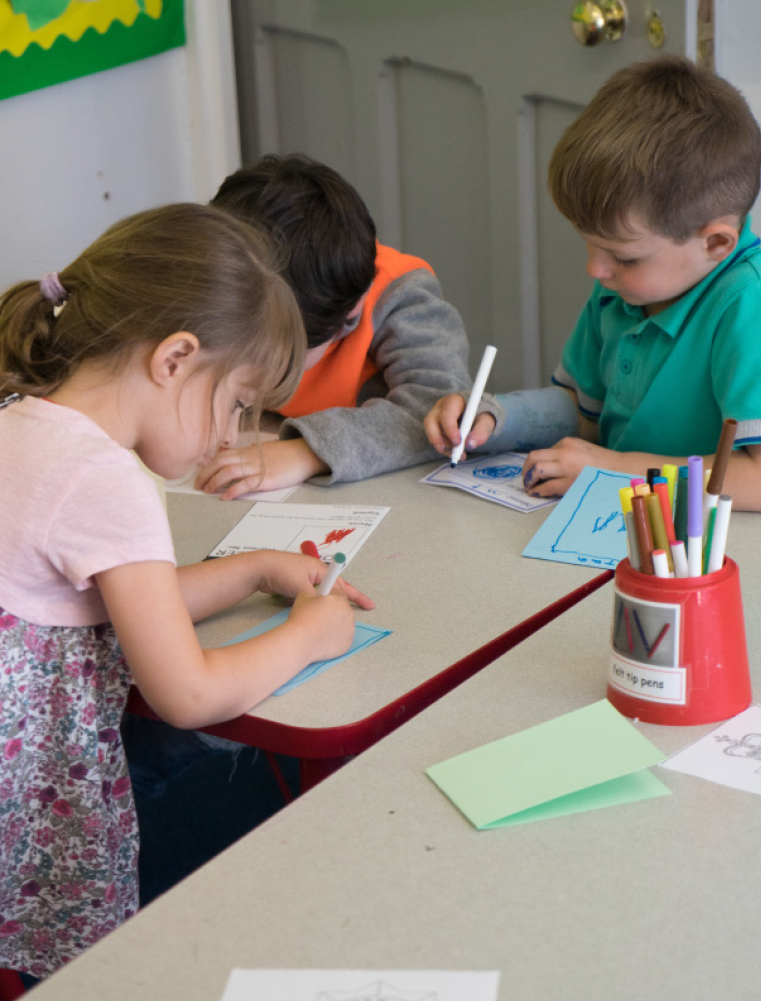
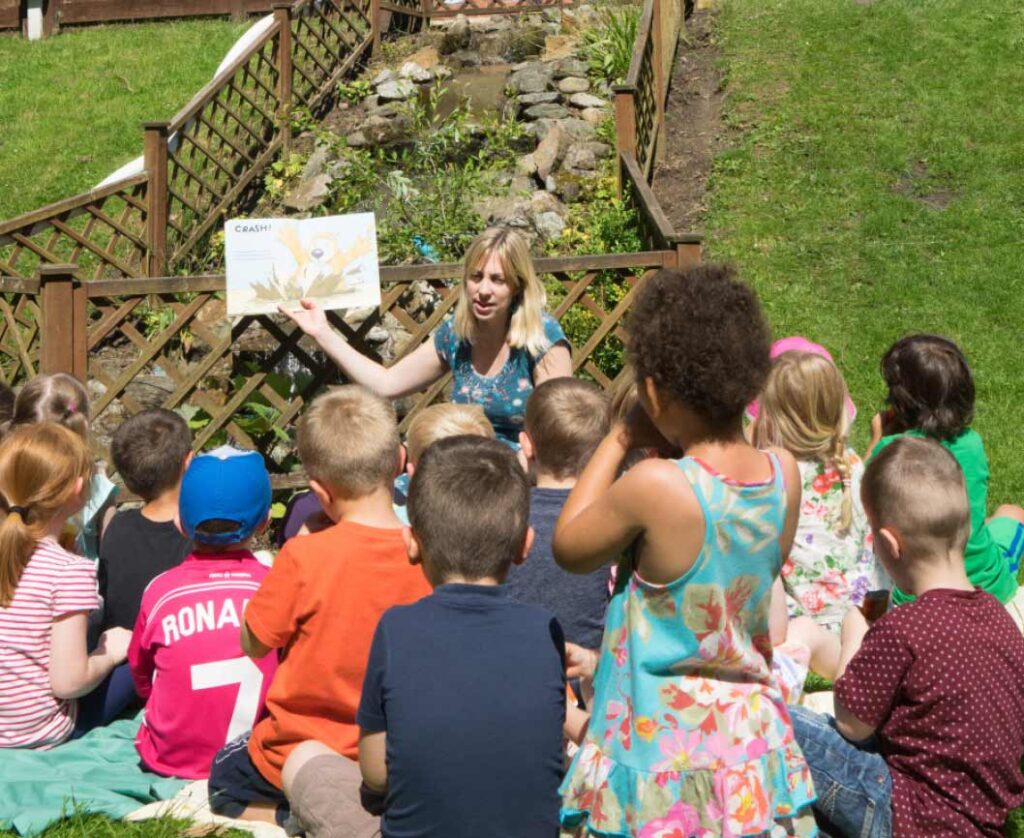
Literacy development involves encouraging children to link sounds and letters, and to begin to read and write. Children will be given access to a wide range of reading materials (books, poems, etc.) to ignite their interest.
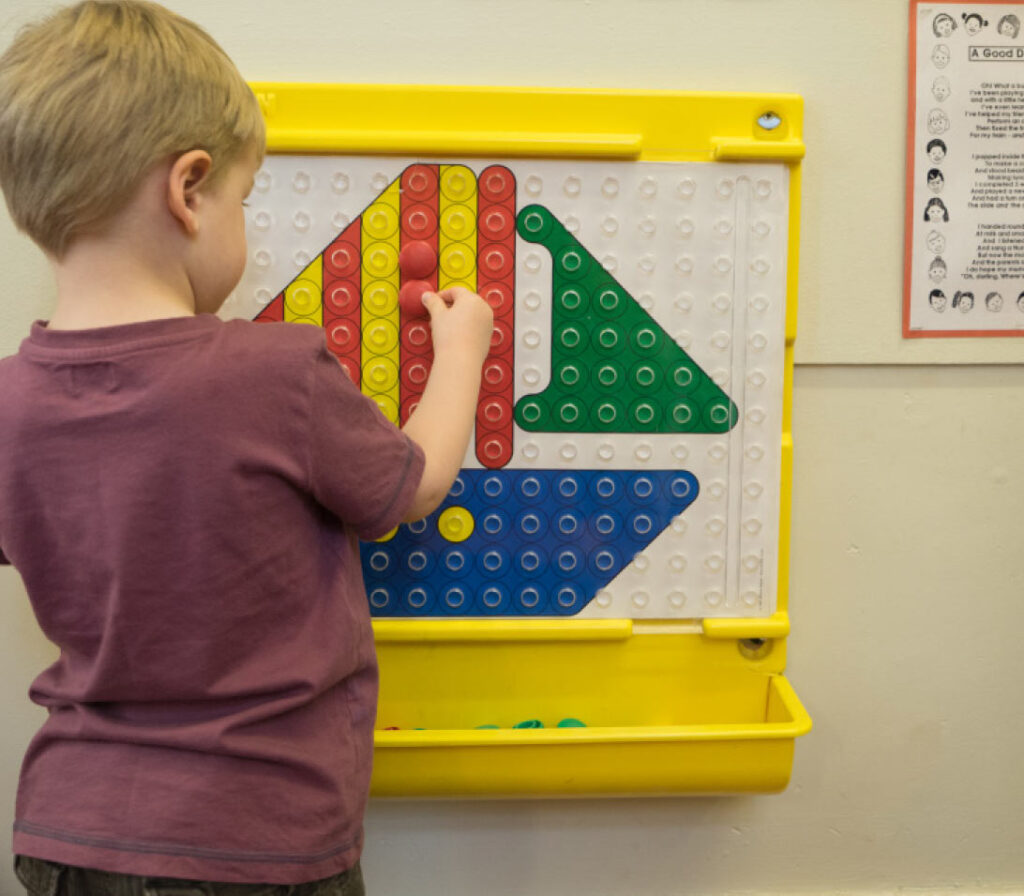
Mathematics involves providing children with opportunities to develop and improve their skills in counting, understanding and using numbers, calculating simple addition and subtraction problems, and describe shapes, spaces and measures.
Literacy development involves encouraging children to link sounds and letters, and to begin to read and write. Children will be given access to a wide range of reading materials (books, poems, etc.) to ignite their interest.